Best Time to Visit
Rajaji National Park
Complete month-by-month season guide - weather, temperature, wildlife activity, bird watching calendar, and expert booking tips. Park is open November 15 to June 15 every year.
Rajaji's 3 Safari Seasons - Choose Yours
The park is open from November 15 to June 15. Each season offers a completely different experience - tap any season below to explore in detail.

Winter - The Peak Season
Winter is the best time to visit Rajaji National Park for most visitors. The weather is cool and pleasant, wildlife activity peaks, and migratory birds from Central Asia and Siberia arrive in large numbers. Vegetation thins after the monsoon - visibility in the forest is at its best.
December and January are the coldest months, with temperatures at the gate dropping to 3-5°C at 6 AM. Bring a warm jacket for open jeep safaris. February is the single best month - temperatures are milder, wildlife is highly active, and tourist crowds are slightly lower than December-January peak.
Wildlife You'll See This Season:
Expert Tips - Winter Safari
- Book Chilla Zone morning safaris 2-3 weeks in advance - slots fill up fastest in Dec-Jan
- Wear 3-4 layers: mornings start at 3-5°C in an open jeep. Peel off as sun rises
- Carry binoculars - migratory birds at Jhilmil Jheel are most active Nov-Jan
- Holiday weekends (Christmas, New Year, Republic Day) - book 4 weeks in advance
Spring - The Comfortable Season
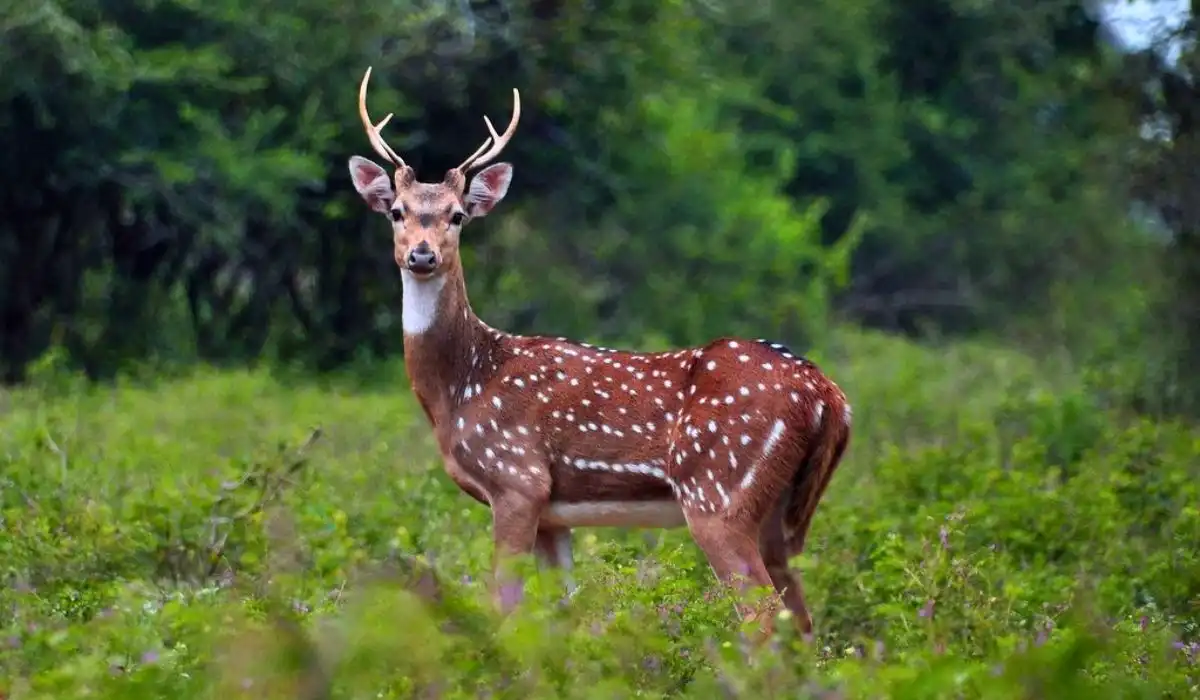
Spring brings comfortable warmth to Rajaji. The forest bursts into bloom - Palash (flame of the forest) and Amaltas paint the jungle in vivid reds and yellows. Newborn spotted deer and sambar calves appear with their mothers in March-April, making it a magical season for families and photographers.
Wildlife activity remains high. Predators are active - leopards and tigers are frequently seen hunting in the warmer afternoons. Fewer crowds than winter make slot availability easier. Best season for families with children - mornings are warm enough to be comfortable without heavy clothing.
Wildlife You'll See This Season:
Expert Tips - Spring Safari
- Late March-April: peacocks display and red jungle fowl call - keep eyes and ears open
- Morning safari still best, but evenings in April are excellent for leopard activity
- Great time for wildlife photography - soft natural light and forest colours
- Book 1 week in advance is usually enough - slots more available than winter
Pre-Monsoon - The Tiger Season
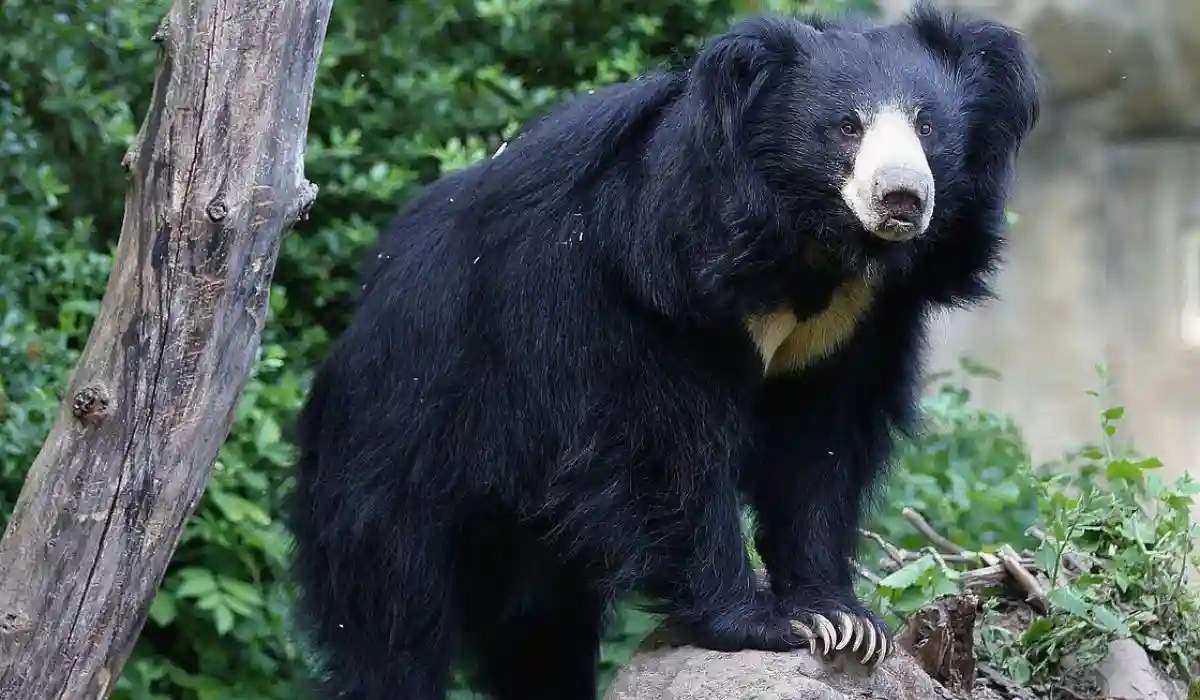
Counterintuitive but true: May and June are the best months to see tigers in Rajaji. As the heat intensifies, animals concentrate at the few remaining waterholes - making sightings dramatically more predictable. Morning safaris start at 5:30 AM to beat the heat, catching peak animal activity.
Very low tourist numbers mean completely private forest experiences - no other jeeps blocking your view. Serious wildlife photographers specifically plan trips in May-June for this reason. Jhilmil Jheel is open until June 30 and is excellent for bird watching in this period.
Wildlife You'll See This Season:
Expert Tips - Pre-Monsoon Safari
- Morning safari starts at 5:30 AM in summer - arrive at gate by 5:10 AM
- Carry 2-3 litres of water per person, sunscreen SPF 50+, light cotton clothing
- Waterhole stakeouts are highly productive - ask your guide for active waterhole locations
- Book just 2-3 days in advance - very few visitors, slots always available
Complete Month-Wise Visitor Calendar
Every month's temperature, wildlife activity scores, crowd levels and key tips - in one place. Plan your visit with precision.
Best Season By Visitor Type
Different visitors have different goals. Here is exactly when to come based on what you want to experience - straight from our expert guides.
For your first visit to Rajaji, January and February give you everything - good weather, active wildlife, and the highest overall sighting probability for tigers, elephants, and birds.
- Cool, comfortable temperatures (8-22°C)
- Tiger and elephant sightings most reliable
- Migratory birds still present
- Book 2 weeks in advance
Families with children aged 5-14 will find February to April ideal. Mornings are warm enough for little ones without heavy clothing, newborn animals appear in March-April, and wildlife is highly active.
- Warm comfortable mornings (14-22°C)
- Newborn deer and sambar calves (March-April)
- No extreme cold or heat to manage
- 50% entry discount for children 5-12
If seeing a tiger is your primary goal, come in May-June. It sounds counterintuitive, but waterhole-concentrated wildlife means tigers are seen more predictably in the pre-monsoon heat than at any other time.
- Animals congregate at waterholes - predictable sightings
- Near-zero crowds - private forest experience
- Morning safari starts at 5:30 AM
- Best value - lowest package prices
Rajaji has 315+ bird species. The winter window (November-February) brings 87 migratory species from Central Asia and Siberia. Jhilmil Jheel and Mohand Range are the premier birding zones.
- Pallas's Fish Eagle - Jhilmil Jheel
- Great Pied Hornbill - Mohand & Motichur
- Himalayan Pied Kingfisher - Ganga banks
- 87 migratory waterfowl at Jhilmil Jheel
February gives golden morning light with active wildlife and good vegetation for natural frames. May-June delivers dramatic waterhole scenes with close-range animal encounters and no crowds.
- February: golden hour light, 8-22°C, forest still leafy
- May: dramatic waterhole compositions, tigers up close
- DSLR permit: ₹200 (Indian) / ₹500 (foreign)
- Bring 300-400mm telephoto lens
April to June is the lean season - hotels near Haridwar drop prices significantly, safari slots are always available, and packages are cheaper. Wildlife activity is actually excellent. Just beat the heat with morning safaris.
- Hotel rates 30-50% lower than peak season
- No advance booking needed - walk-in available
- Wildlife activity high at waterholes
- Same entry fees - no seasonal surcharge
Monthly Temperature Guide - What to Expect
Monthly average temperatures at Rajaji National Park (Haridwar region). Plan your clothing and safari timing accordingly.
Season-Wise Packing & Booking Tips
What to bring, when to book, and what to expect - based on thousands of safaris our guides have conducted across all seasons.
Season & Weather FAQ
Ready to Plan Your Rajaji Safari?
Tell us when you want to visit and we'll suggest the best zone, timing, and package for your group. Instant WhatsApp response.
Available 7 AM - 9 PM · Check Prices → · Book Safari →